Local rehab financing from a Sacramento-based advisor.
Ken Clark Jr. works from 1545 River Park Drive in Sacramento and helps investors finance fix and flip and BRRRR projects across Sacramento County through PRMG programs, from older city neighborhoods to unincorporated suburbs.
Short answer: the same way they work elsewhere: a short-term, business-purpose loan sized on purchase price, rehab budget, and after-repair value (ARV), with rehab funds released in draws.
What changes locally is the property and the permitting. Sacramento County has a large inventory of older homes in established neighborhoods alongside newer suburban tracts, and permits run through different offices depending on whether the address is inside city limits. See the general fix and flip loan guide and requirements.
Short answer: often in neighborhoods with older housing stock, where dated homes can be renovated to match nearby updated sales.
Examples investors commonly look at include Oak Park and Del Paso Heights inside the City of Sacramento, and North Highlands and Carmichael in unincorporated Sacramento County. Every neighborhood has its own comps, rent levels, and buyer pool, so the ARV should come from renovated sales on nearby streets, not a county-wide average. This is not a recommendation of any area; it is a reminder that the loan is capped by the value the comps support.
Short answer: it depends on the address. Properties inside Sacramento city limits generally go through the City of Sacramento; unincorporated areas such as North Highlands and Carmichael generally go through Sacramento County. Other incorporated cities in the county have their own building departments.
A Sacramento mailing address does not always mean City of Sacramento jurisdiction, so confirm before you budget time for permits. Start with City of Sacramento Building Permit Services or Sacramento County Building Permits and Inspection. Permit timing affects your draw schedule and holding costs, and unpermitted work can hurt the appraisal and the resale.
Include a real contingency. Hidden conditions in older homes are the most common reason budgets run over.
Short answer: if you are hiring out the work, use a contractor licensed with the California Contractors State License Board and keep their license and insurance information in your file.
You can check a license at the CSLB. Lenders on rehab loans commonly ask for a scope of work and budget, and may ask who is doing the work.
| Feature | Generally |
|---|---|
| Purchase financed | Up to about 80% to 90%, by experience |
| Rehab financed | Up to 100%, paid in draws |
| ARV cap | Commonly around 75% |
| Term | Commonly 12 to 24 months, interest-only |
| Prepayment penalty | None on many programs |
| Borrower | Commonly an LLC or other entity |
Subject to program guidelines and underwriting.
Short answer: both are common. Some investors sell to owner-occupant buyers; others rent the home and refinance into a DSCR loan.
The hold strategy is covered in BRRRR loans and DSCR loans. For owner-occupants buying a fixer, see Sacramento 203(k) renovation loans.
Educational illustration only. Not an actual client, loan offer, or commitment to lend.
An investor with two completed flips buys a 1950s house in an unincorporated part of Sacramento County for $360,000, with an $85,000 budget covering a panel upgrade, new roof, kitchen, baths, and paint, and an ARV of $560,000. At 85 percent of purchase ($306,000) plus 100 percent of rehab ($85,000), the loan would be $391,000, about 70 percent of ARV, within a 75 percent cap. Because the property is outside city limits, the investor pulls permits through Sacramento County and builds permit time into the 12-month term.
Answered by Ken Clark Jr., Certified Mortgage Advisor. Program availability and requirements vary and are subject to change.
Yes. PRMG investor programs are available in California, including Sacramento County, subject to program guidelines.
Depending on experience, up to about 90 percent of purchase and 100 percent of rehab, with the total commonly capped around 75 percent of after-repair value.
Properties inside Sacramento city limits generally use the City of Sacramento. Unincorporated areas such as North Highlands and Carmichael generally use Sacramento County. Other cities have their own departments.
Not always. Some addresses with a Sacramento mailing address are in unincorporated county areas. Confirm jurisdiction before budgeting permit time.
Paint and flooring often do not, but electrical, plumbing, structural, roofing, and many window or HVAC changes commonly do. Check with the building department for your address.
Electrical panels and wiring, sewer laterals, roofs, foundations, and lead-based paint in homes built before 1978.
If you hire out the work, use a contractor licensed with the California Contractors State License Board. Lenders commonly ask who is doing the work.
Commonly 12 to 24 months, interest-only.
Yes. Many investors refinance into a DSCR loan that qualifies on rent.
Yes. Ken Clark Jr. is based at 1545 River Park Drive in Sacramento and also serves New Jersey and other states where PRMG is licensed.
Guidelines change. Verify current program requirements with Ken Clark Jr. before relying on them for a transaction.
Disclaimer: This content is for educational purposes only and is not a commitment to lend, a guarantee of approval, or a rate quote. Loan programs, down payment requirements, terms, and eligibility depend on borrower, property, project, builder, and program qualifications, are subject to underwriting, and vary by state. Not all applicants or projects will qualify. Builder registration is a documentation review for program eligibility and is not an endorsement of any builder. Business-purpose loans are for non-owner-occupied investment properties only and are not consumer mortgage loans. Equal Housing Opportunity. Paramount Residential Mortgage Group, Inc. (PRMG), NMLS #75243. Ken Clark Jr., NMLS #225375. PRMG is licensed in 49 states, excluding New York.
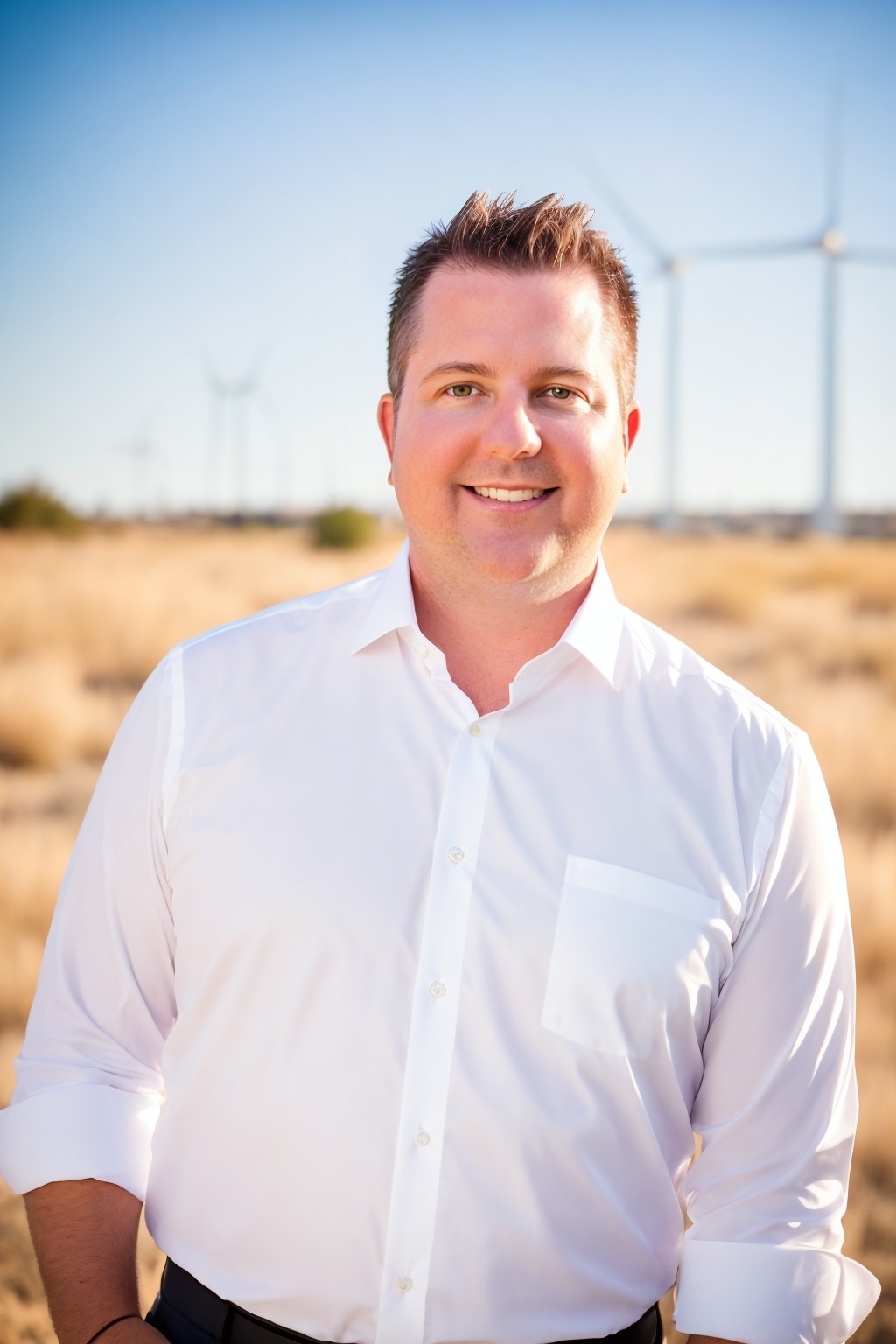
Certified Mortgage Advisor and Branch Manager at PRMG Mortgage (NMLS #75243). 28 years in mortgage lending. Specializes in FHA, VA, conventional, DPA, jumbo, Non-QM, renovation, and construction financing for buyers and investors in Sacramento, New Jersey, and nationwide. PRMG is licensed in 49 states, excluding New York. Three-time Gold Award winner for Highly Reviewed Mortgage Team in Sacramento (2023, 2024, 2025). NMLS #225375.
Verify Ken's license at NMLS Consumer Access · Read client reviews · Schedule a call