The deal, the investor, and the paperwork: what a flip loan is underwritten on.
Fix and flip loans are underwritten differently from a home loan. Ken Clark Jr. helps investors in Sacramento, New Jersey, and every state where PRMG is licensed (all except New York) line up the numbers and documents that PRMG investor programs look for before an offer goes in.
Short answer: a non-owner-occupied investment property, a supportable ARV, a detailed rehab budget, a borrowing entity, a credit review, verified cash for your share and reserves, and experience that matches the leverage and scope you are asking for.
A consumer mortgage leans heavily on your income and debt-to-income ratio. A fix and flip loan is a business-purpose loan, so the property and the plan carry more of the weight.
Short answer: the after-repair value sets the ceiling. Even if the purchase and rehab percentages would allow more, the total loan commonly cannot exceed about 75 percent of ARV, depending on the program.
ARV is the appraiser's estimate of what the property should be worth after the planned work is finished. It is supported by recent sales of comparable renovated homes nearby, not by list prices or pending deals you hope will close high. An optimistic ARV usually just means a smaller loan and more cash from you at closing.
Short answer: loan-to-cost compares the loan to what you are spending (purchase plus rehab). Loan-to-ARV compares it to the finished value. Your loan is generally the lower of the two results.
| Measure | How it is calculated | Common range (varies) |
|---|---|---|
| Purchase financed | Loan on purchase / purchase price | Up to about 80% to 90%, by experience |
| Rehab financed | Rehab funds / rehab budget | Up to 100% |
| Loan-to-cost | Total loan / (purchase + rehab) | Varies by tier |
| Loan-to-ARV | Total loan / after-repair value | Commonly around 65% to 75% |
Ranges depend on experience, property, scope, and program guidelines.
Short answer: the renovation portion of the loan is not handed to you at closing. It is held back and released in draws as the work is completed and verified.
You typically cover the first stretch of work out of pocket, then request reimbursement through a draw. Many programs verify progress by photos or a quick inspection, and some fund approved draws within about 48 hours. Draws are for work in place: materials stored off site are generally not advanced, and lien waivers may be requested. See the draw process for how requests are reviewed.
Short answer: programs commonly group investors by the number of completed flips or rehab projects in recent years. More verified experience usually unlocks higher leverage on purchase and larger or heavier projects.
First-time investors may qualify on some PRMG programs, typically at lower leverage and on lighter scopes. Experience is usually documented with settlement statements from purchases and sales, or proof that a renovated property was refinanced and rented. If you are newer, partnering with an experienced general contractor and choosing a cosmetic project can help.
Short answer: most programs lend to an entity such as an LLC, corporation, or trust, with a personal guarantee from the principals.
Expect to provide formation documents, an operating agreement, an EIN letter, and a certificate of good standing. Title should vest in the borrowing entity at closing.
Short answer: there is no single minimum. Minimum scores vary by program, leverage, experience, and scope, and higher leverage or heavier rehab may call for stronger credit.
Underwriting also looks at recent late payments, open liens or judgments, and any past foreclosures or bankruptcies. Because these are business-purpose loans, a traditional debt-to-income ratio is often not the main test, but your credit story still matters.
Short answer: enough to cover your share of the purchase, closing costs, the first stretch of rehab before draws reimburse you, and reserves, often measured as several months of interest payments, depending on the program.
Funds are verified with recent bank or investment account statements. Large, unexplained deposits usually need a paper trail. Holding costs such as taxes, insurance, utilities, and interest continue until you sell or refinance, so plan beyond the minimum.
Educational illustration only. Not an actual client, loan offer, or commitment to lend.
A first-time investor finds a house for $300,000 needing a $60,000 cosmetic rehab, with an estimated ARV of $450,000. At a lower first-time tier, suppose the program finances 80 percent of purchase ($240,000) plus 100 percent of rehab ($60,000), for $300,000. That is about 67 percent of ARV, under a 75 percent cap, so the ARV test does not reduce the loan. The investor brings $60,000 toward the purchase plus closing costs and reserves, pays for early work, and draws the $60,000 holdback as work is completed.
Answered by Ken Clark Jr., Certified Mortgage Advisor. Program availability and requirements vary and are subject to change.
A non-owner-occupied investment property, a supportable after-repair value, a line-item rehab budget, a borrowing entity, a credit review, verified funds and reserves, and experience that fits the requested leverage.
The total loan is commonly capped around 75 percent of ARV, depending on the program and your experience.
The loan compared with your total cost, meaning purchase price plus rehab budget. Your loan is generally the lower of the loan-to-cost and loan-to-ARV results.
The renovation portion of the loan, held at closing and released in draws as completed work is verified.
Some PRMG programs allow first-time investors, typically at lower leverage and on lighter scopes.
There is no single minimum. Requirements vary by program, leverage, experience, and scope.
Most programs lend to an entity such as an LLC, corporation, or trust, with a personal guarantee.
It varies by program. Reserves are often measured as several months of interest payments, in addition to your down payment and closing costs.
Generally no. Draws reimburse completed work in place, verified by photos or inspection. Off-site stored materials are generally not advanced.
PRMG programs are available in every state where PRMG is licensed, which is all states except New York, including California and New Jersey, subject to program guidelines.
Guidelines change. Verify current program requirements with Ken Clark Jr. before relying on them for a transaction.
Disclaimer: This content is for educational purposes only and is not a commitment to lend, a guarantee of approval, or a rate quote. Loan programs, down payment requirements, terms, and eligibility depend on borrower, property, project, builder, and program qualifications, are subject to underwriting, and vary by state. Not all applicants or projects will qualify. Builder registration is a documentation review for program eligibility and is not an endorsement of any builder. Business-purpose loans are for non-owner-occupied investment properties only and are not consumer mortgage loans. Equal Housing Opportunity. Paramount Residential Mortgage Group, Inc. (PRMG), NMLS #75243. Ken Clark Jr., NMLS #225375. PRMG is licensed in 49 states, excluding New York.
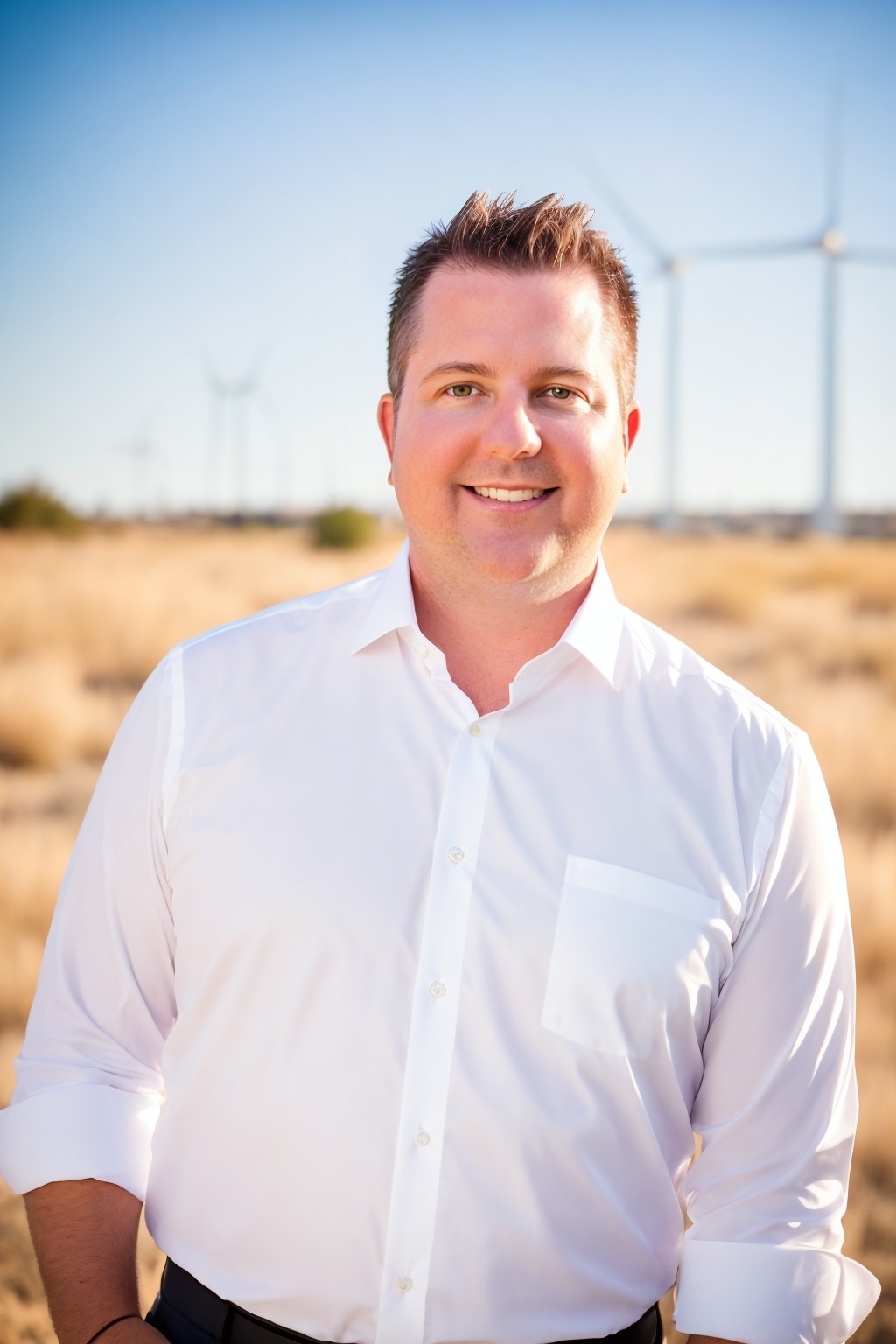
Certified Mortgage Advisor and Branch Manager at PRMG Mortgage (NMLS #75243). 28 years in mortgage lending. Specializes in FHA, VA, conventional, DPA, jumbo, Non-QM, renovation, and construction financing for buyers and investors in Sacramento, New Jersey, and nationwide. PRMG is licensed in 49 states, excluding New York. Three-time Gold Award winner for Highly Reviewed Mortgage Team in Sacramento (2023, 2024, 2025). NMLS #225375.
Verify Ken's license at NMLS Consumer Access · Read client reviews · Schedule a call