Short-term renovation financing for investors, sized on the deal and the after-repair value.
Through PRMG programs, Ken Clark Jr. helps real estate investors in Sacramento, California, New Jersey, and every state where PRMG is licensed (all except New York) finance fix-and-flip and heavy-rehab projects on non-owner-occupied properties.
Short answer: it is a short-term loan that funds the purchase of an investment property and its renovation, repaid when the property is sold or refinanced.
Unlike a consumer mortgage, a fix and flip loan is sized mainly on the deal: the purchase price, the rehab budget, and the after-repair value (ARV). It is a business-purpose loan, so it is not available for a home you will live in. For owner-occupied renovation, see renovation loans.
Short answer: the loan is the lesser of a percentage of the purchase price plus a percentage of the rehab budget, or a percentage of the ARV.
| Measure | What it means | Common range (varies) |
|---|---|---|
| Loan-to-cost (purchase) | Share of the purchase price financed | Up to about 80% to 90%, by experience |
| Rehab financed | Share of the renovation budget financed | Up to 100% |
| Loan-to-ARV | Total loan compared with after-repair value | Commonly around 65% to 75% |
Ranges depend on experience, the property, the scope of renovation, and program guidelines.
Short answer: not always. Some PRMG programs allow first-time investors, typically at lower leverage. Investors with more completed projects commonly qualify for higher leverage.
Experience is usually measured by completed renovation or investment transactions in recent years. Heavy rehab with additions or structural work often requires more experience than cosmetic projects.
Short answer: the rehab budget is held back at closing and released in draws as work is completed. Many programs verify work by photos or a quick inspection, and some fund within a few business days of an approved request.
Keep your draw requests matched to the budget line items and document completed work clearly. See the draw process for how it works.
| Feature | Generally |
|---|---|
| Term | Commonly 12 to 24 months; extensions may be available |
| Payments | Interest-only; some programs charge interest only on funds drawn |
| Prepayment penalty | None on many programs |
| Loan amounts | From about $75,000 to $100,000 up to several million, by program |
| Property types | 1 to 4 units, condos, townhomes; some programs allow 5+ units and mixed-use |
| States | Every state where PRMG is licensed (all except New York) |
Short answer: sell the finished property, or refinance into a long-term rental loan and keep it.
Many investors refinance into a DSCR loan that qualifies on the property's rent instead of personal income. Plan the exit before you close on the flip.
Short answer: ground-up construction and teardown-rebuild projects use a different program, usually with more experience required.
Educational illustration only. Not an actual client, loan offer, or commitment to lend.
An investor with three completed flips buys a Sacramento house for $380,000 with a $70,000 rehab budget and an expected ARV of $560,000. At 85 percent of purchase ($323,000) plus 100 percent of rehab ($70,000), the loan would be $393,000, which is about 70 percent of ARV and within a 75 percent ARV cap. The investor brings the rest of the purchase price, closing costs, and reserves, and draws the rehab funds as work is completed.
Answered by Ken Clark Jr., Certified Mortgage Advisor. Program availability and requirements vary and are subject to change.
A short-term, business-purpose loan that finances the purchase and renovation of an investment property, repaid when it is sold or refinanced.
Depending on experience and program, up to about 90 percent of the purchase price and up to 100 percent of the rehab budget, capped at a percentage of the after-repair value, commonly around 75 percent.
Not always. Some programs allow first-time investors at lower leverage. More experience commonly means higher leverage.
Minimums vary by program and scope, commonly in the 600s. Heavier rehab and higher leverage may require stronger credit.
No. Fix and flip loans are business-purpose loans for non-owner-occupied investment properties only.
Most programs lend to an entity such as an LLC, corporation, or trust, with a personal guarantee.
Commonly 12 to 24 months, with extensions available on some programs.
Many fix and flip programs have no prepayment penalty. Terms vary by program.
Through draws after completed work is verified, often by photos or an inspection.
Yes. Many investors refinance into a DSCR loan that qualifies on rental income.
Yes. PRMG programs are available in every state where PRMG is licensed, which is all states except New York, including California and New Jersey, subject to program guidelines.
Guidelines change. Verify current program requirements with Ken Clark Jr. before relying on them for a transaction.
Disclaimer: This content is for educational purposes only and is not a commitment to lend, a guarantee of approval, or a rate quote. Loan programs, down payment requirements, terms, and eligibility depend on borrower, property, project, builder, and program qualifications, are subject to underwriting, and vary by state. Not all applicants or projects will qualify. Builder registration is a documentation review for program eligibility and is not an endorsement of any builder. Business-purpose loans are for non-owner-occupied investment properties only and are not consumer mortgage loans. Equal Housing Opportunity. Paramount Residential Mortgage Group, Inc. (PRMG), NMLS #75243. Ken Clark Jr., NMLS #225375. PRMG is licensed in 49 states, excluding New York.
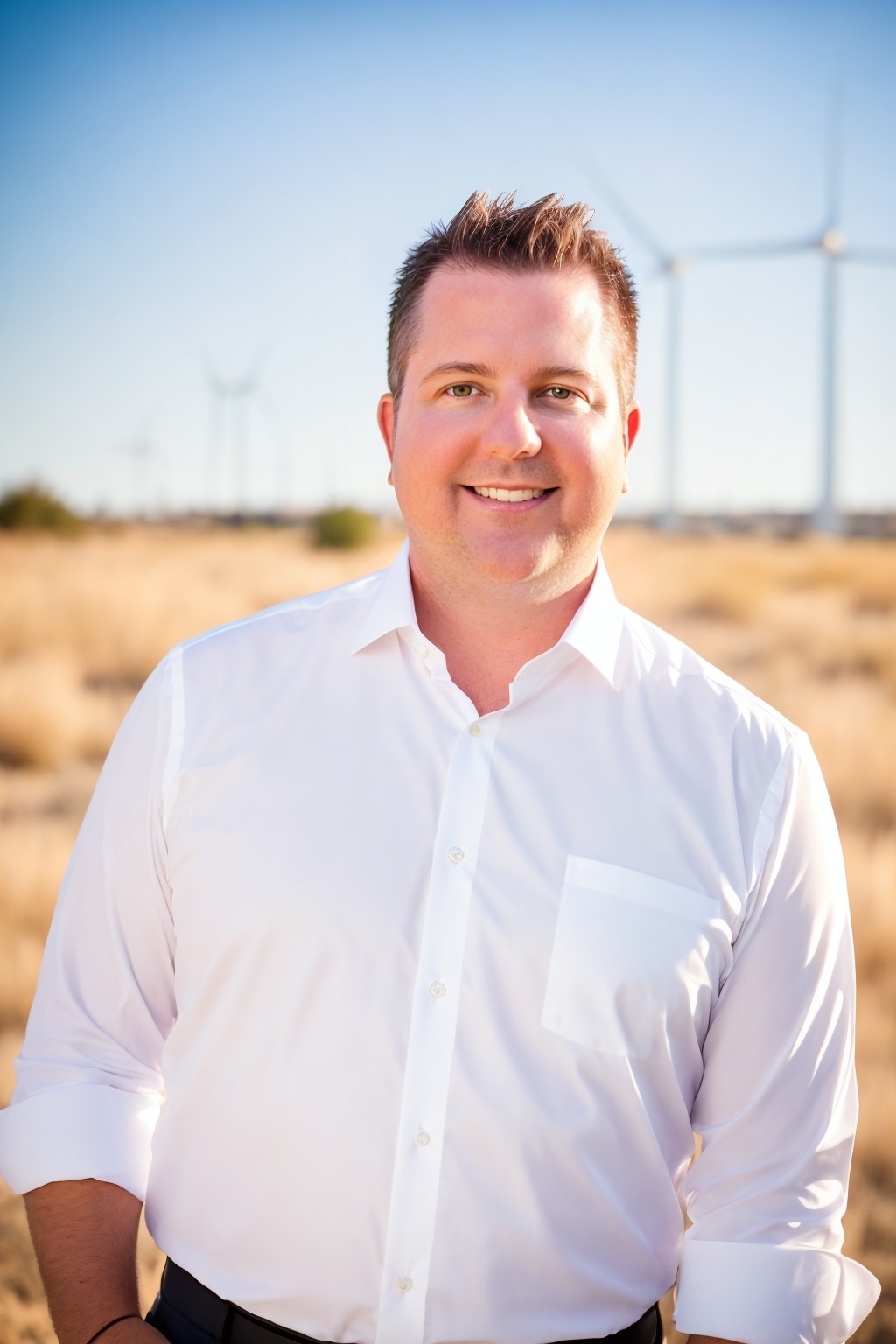
Certified Mortgage Advisor and Branch Manager at PRMG Mortgage (NMLS #75243). 28 years in mortgage lending. Specializes in FHA, VA, conventional, DPA, jumbo, Non-QM, renovation, and construction financing for buyers and investors in Sacramento, New Jersey, and nationwide. PRMG is licensed in 49 states, excluding New York. Three-time Gold Award winner for Highly Reviewed Mortgage Team in Sacramento (2023, 2024, 2025). NMLS #225375.
Verify Ken's license at NMLS Consumer Access · Read client reviews · Schedule a call